
Criminal Cases in Lee County Courts
Lee Superior Court is the felony trial court and main criminal-case custodian. Its clerk files criminal actions and maintains criminal warrants at 100 Leslie Highway in Leesburg. The office is open Monday through Friday, 8:00 a.m. to 5:00 p.m., and answers record questions at (229) 759-6018. Lee County belongs to the Southwestern Judicial Circuit.
Magistrate Court issues arrest and search warrants, holds bond and preliminary hearings, and hears county-ordinance matters. It is not a court of record and has no jury trials. Leesburg and Smithville Municipal Courts keep eligible city-ordinance and traffic matters. One name can therefore lead to files at several counters.
Lee County's Two Court Counters
The courthouse and annex sit on Leslie Highway, but they hold different records. Ask Magistrate Court about a warrant it issued, bond, or a preliminary hearing. Ask Superior Court for the filed felony action, accusation or indictment, docket, motions, judgment, and sentence. Staff can locate records but cannot give legal advice.
An arrest and magistrate hearing may precede the Superior Court filing. A preliminary hearing tests probable cause; it is not a guilt trial. Grand-jury action can later supersede it. Readers should follow the court name and case number printed on each document instead of expecting one file to contain every stage.
How to Search Case Records
PeachCourt supports participating Georgia Superior and State Court searches. Account access and document charges may apply. It is a useful remote index, while the Lee clerk remains the source for certified copies, older files, and records not shown online.
- Register or sign in, then select Lee County and the correct court.
- Use the full case number when known; otherwise search the party name and reasonable variants.
- Confirm county, court, filing year, and case type before relying on a result.
- Open the docket and read every count, event, and disposition.
- Call the clerk for an index search, inspection, certified copy, or archived file that is not online.
| Field Label | Type | Required | Notes |
|---|---|---|---|
| Party name | Text | Search option | A name alone does not confirm identity. |
| Case number | Text | Search option | The strongest key when copied from court paper. |
| County and court | Select | Yes | Choose Lee County and the owning court. |
| Filing year | Date/filter | No | Helps separate similar names. |
| Case type | Select | No | Choose criminal when available. |
When Lee Case Search Fails
No result does not prove there is no case. A filing may be new, an older image may not be remote, a name may be indexed differently, or access may be restricted. Call the clerk with the full name, variants, approximate arrest or filing date, and case number if known. Ask about an index search, counter inspection, certified copies, and archives.
The Georgia Superior Court Clerks' Cooperative Authority connects users with official clerk resources.
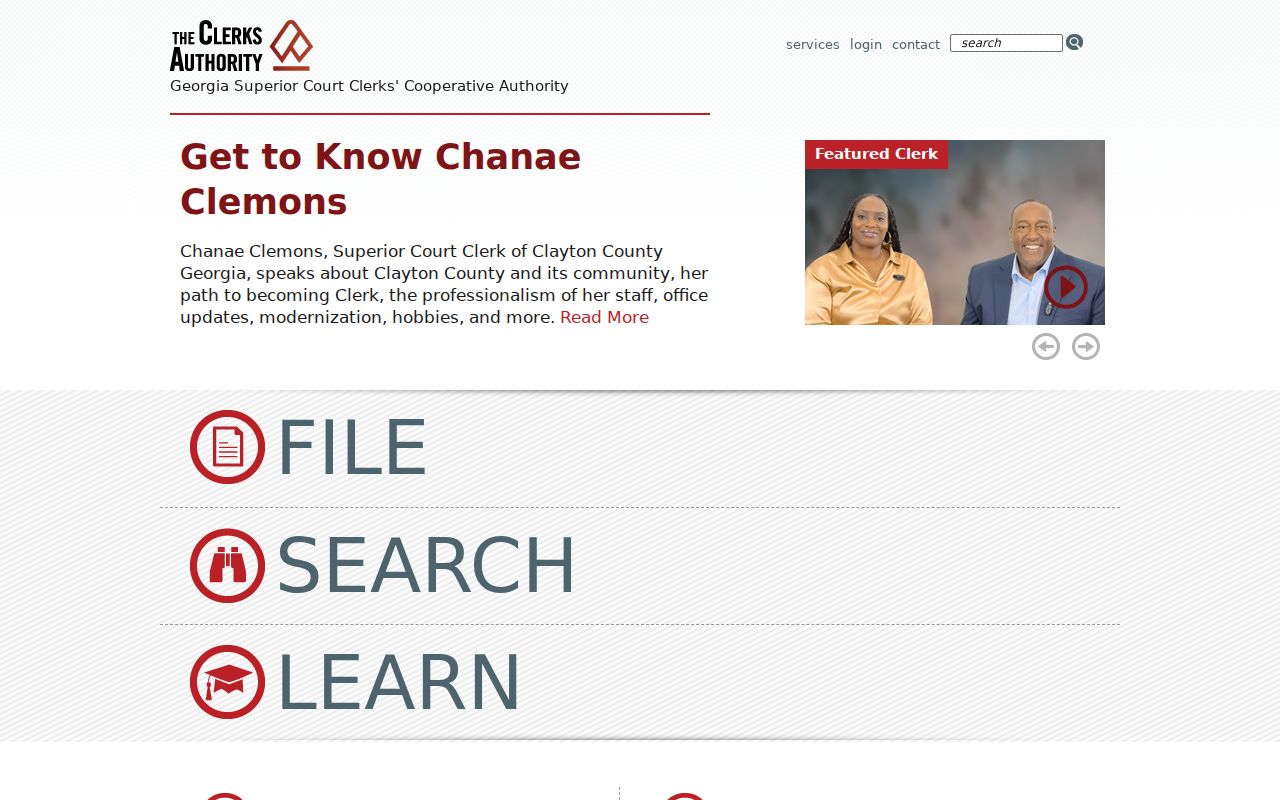
Use that statewide entry point for orientation, then verify the actual Lee County file with its clerk.
What the Case File Shows
A case file records what the prosecutor filed and what the court did. It can identify the judge and counsel, show each formal count, and preserve arraignment, motions, hearings, pleas, trial events, orders, judgment, and sentence. Read count by count because one charge may be dismissed while another ends in a plea.
| Case Number & Court | Identifies the Lee court, action, and docket. |
|---|---|
| Charging Document | An accusation or indictment states the formal counts and may differ from intake charges. |
| Docket Entries | Dated filings, motions, orders, pleas, warrants, and other events. |
| Hearing Dates | Scheduled or completed proceedings, subject to calendar changes. |
| Disposition & Judgment | The result for each count, including dismissal, plea, conviction, or acquittal. |
| Sentence & Conditions | Confinement, probation, fines, restitution, and other terms. |
Lee Court Files Versus Sheriff Logs
Citizen Connect is useful for recent incidents, but it is not the felony docket. Its Incident Search supports incident number, date, name, and location controls.
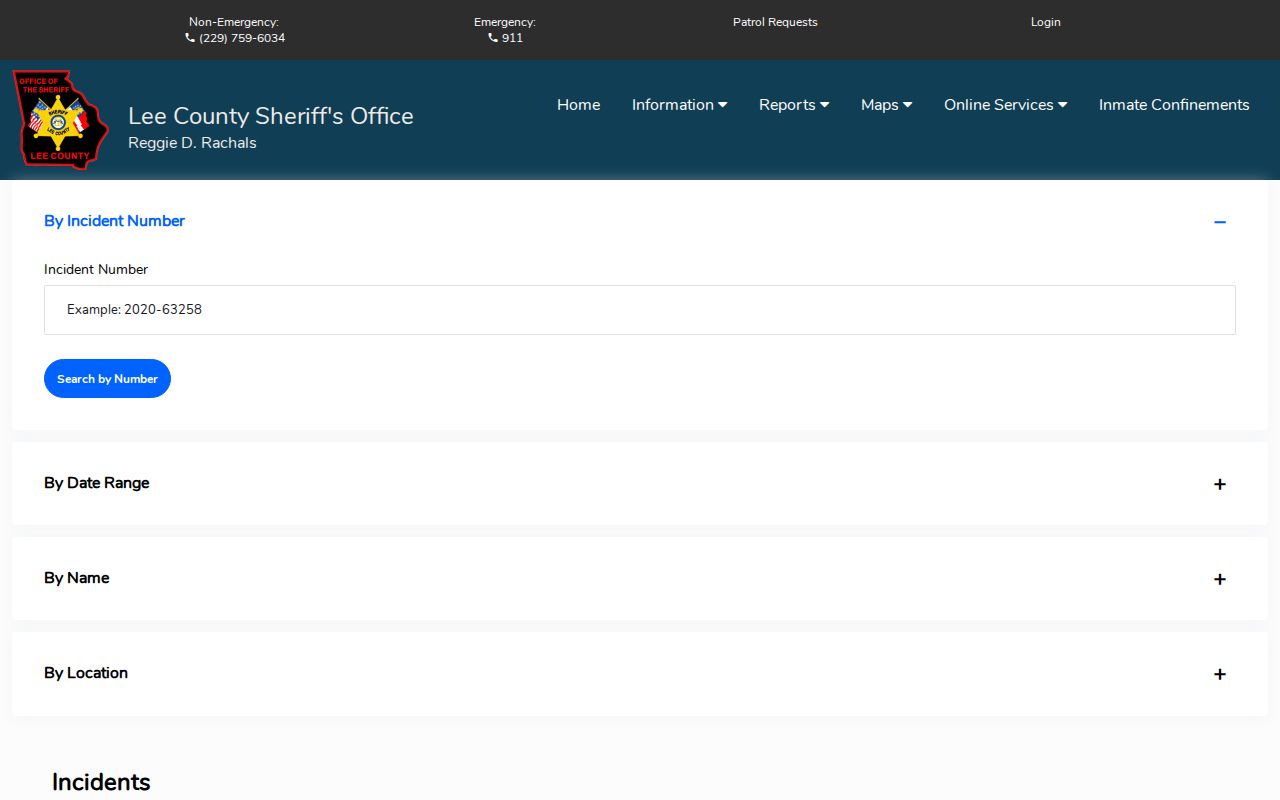
An incident can exist without an arrest, and a booking may appear before a court case. The accusation or indictment shows the prosecutor's actual counts. The judgment is the best outcome evidence. Match dates and agencies, but never treat the sheriff and court systems as interchangeable.
Stages of a Criminal Case
An investigation may begin with the sheriff, a city police department, GSP, GBI, or another agency. The jail books a person after custody. Magistrate Court may address a warrant, first appearance, bond, and probable cause. The Southwestern Judicial Circuit District Attorney then reviews a felony allegation and may file an accusation or seek a grand-jury indictment.
The clerk opens the action, arraignment records the plea, and motions, discovery, calendar calls, negotiations, or trial may follow. A case can end through dismissal, nolle prosequi, plea, conviction, acquittal, or another result. Sentencing may include confinement, probation, money obligations, restitution, and conditions.
Case flow: Arrest › Booking › Charging review › Arraignment › Disposition › Sentencing
Reading Lee County Dispositions
An indictment is a grand jury's true bill. A no bill means it declined the proposed charge. An accusation is a prosecutor's charging paper. Nolle prosequi means the prosecutor ended a charge, not that a trial produced an acquittal. “Closed” often means a docket is disposed, not that guilt was found.
First Offender treatment is a distinct Georgia disposition. After successful discharge, the person is exonerated of guilt under the statute, while record access follows separate rules. For self-review, obtain the certified disposition before asking GCIC or a source agency to correct a missing outcome.
Access & Restrictions
The Georgia Open Records Act presumes access to existing public records, but court files also follow sealing and confidentiality rules. Protected identifiers, victim and minor information, juvenile matters, and sealed filings may be absent or redacted. An online omission does not prove the clerk's file contains nothing more.
Lee County routes criminal case requests directly to Superior Court, not the general county clerk. State the case number, date range, record sought, and whether a plain or certified copy is needed. No official criminal-copy fee schedule was located in the research, so ask the clerk for the current price.
Certified Lee County Case Copies
A portal printout may be enough for casual self-review, but a certified copy carries the clerk's authentication. Ask for the specific judgment, sentence, disposition, indictment, accusation, or docket rather than requesting an undefined “background check.” Narrow requests reduce search time and help the clerk identify the exact file. Include the court, case number, party name, and approximate filing year.
For a missing GCIC disposition, the certified court result is the key source record. Compare the arrest date, arresting agency, formal counts, outcome, and any available state tracking number. The court documents the judicial act, while the contributing agency must authorize corrections to its own repository submission. Record restriction under O.C.G.A. §35-3-37 is a separate process and does not mean physical destruction of every file.
Mail requests should identify Lee Superior Court and use P.O. Box 49, Leesburg, GA 31763. Before sending payment, call for the current copy and certification cost because no criminal-file schedule was published in the reviewed county material. Ask whether the item can be mailed, sent electronically, inspected, or must be picked up.
Daily Reports Are Not Dockets
The Citizen Connect Daily Report combines incidents, arrests, accidents, bookings, most wanted entries, and missing persons.
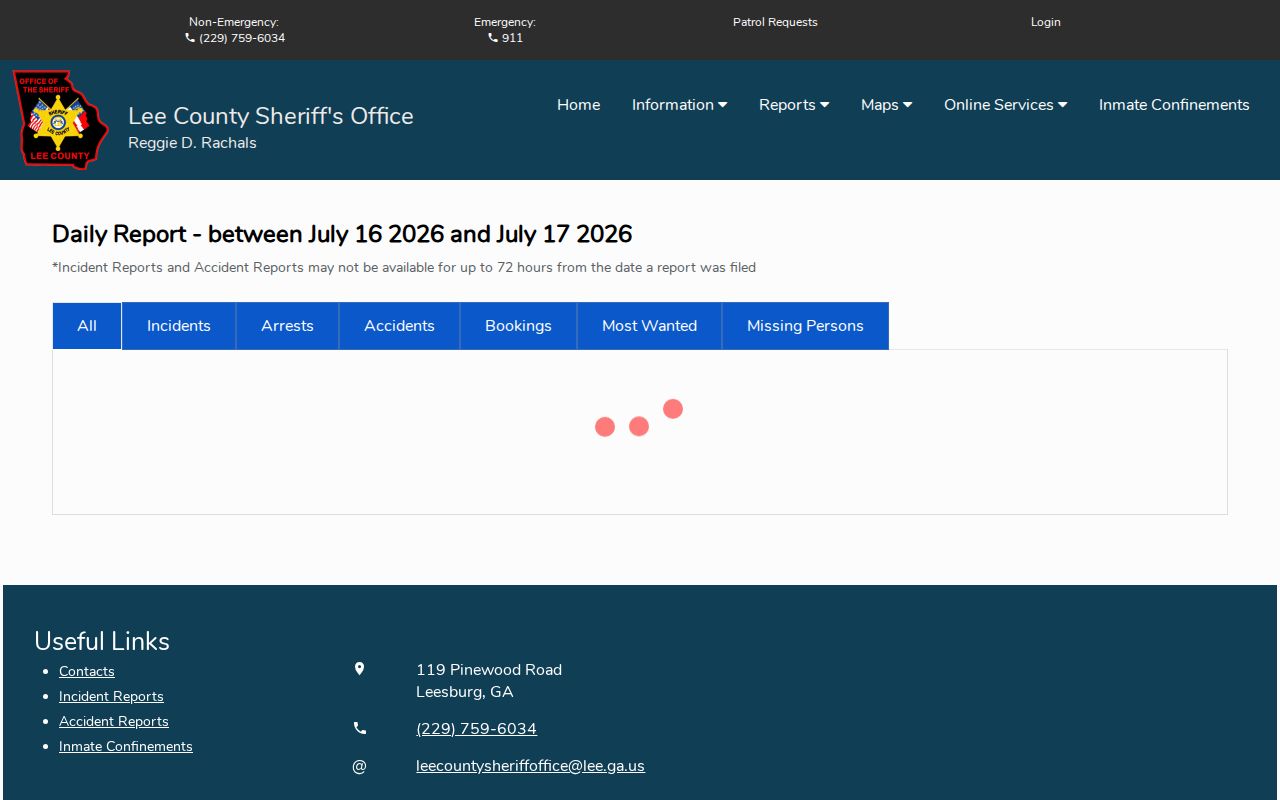
The portal warns of delays up to 72 hours. It can point toward an event, but only the filed docket shows whether charges reached court and how each count ended. Its Most Wanted tab is not a full warrant index, and no one should attempt detention.