
How to Check Criminal History in Leesburg
Choose a Leesburg criminal record channel by asking who made the record. A city officer’s incident narrative stays with the city. A jail intake belongs to the Lee County Sheriff. A city citation stays with Leesburg Municipal Court, while a filed felony belongs to Lee Superior Court. Georgia Felon Search provides a narrower statewide felony-conviction result.
- Ask Leesburg police for a city incident or arrest report, using a report number, date, location, and record type when known.
- Check Leesburg Municipal Court for a city ordinance, eligible traffic matter, citation, or court-issued warrant.
- Search the sheriff’s Citizen Connect modules for a county booking or recent arrest, filtering both Leesburg agency labels.
- Use Lee Superior Court or PeachCourt to find a filed felony charge and its disposition.
- Use Georgia Felon Search or a fingerprint-based personal record when the question extends beyond Leesburg.
Each step answers a narrower question. A police report records the event and officer action. The booking screen records intake. The court docket records what prosecutors filed and what the judge resolved.
Leesburg Records Have Separate Custodians
Leesburg is the county seat, but that does not merge the city and county governments. The courthouse at 100 Leslie Highway, the Courthouse Annex at 104 A Leslie Highway, county administration at 102 Starksville Avenue North, and the Criminal Justice Center at 119 Pinewood Road are distinct stops. A short physical distance can hide a sharp legal line between record holders.
A Leesburg police report should not be sent by default to the county’s general open-records clerk. A Superior Court file belongs with the clerk. A booking question belongs with the sheriff. County administration handles other county departments. Name the record and its creator before choosing a counter.
The U.S. Census Bureau’s Lee County profile provides official local context for the county seat and its service area.
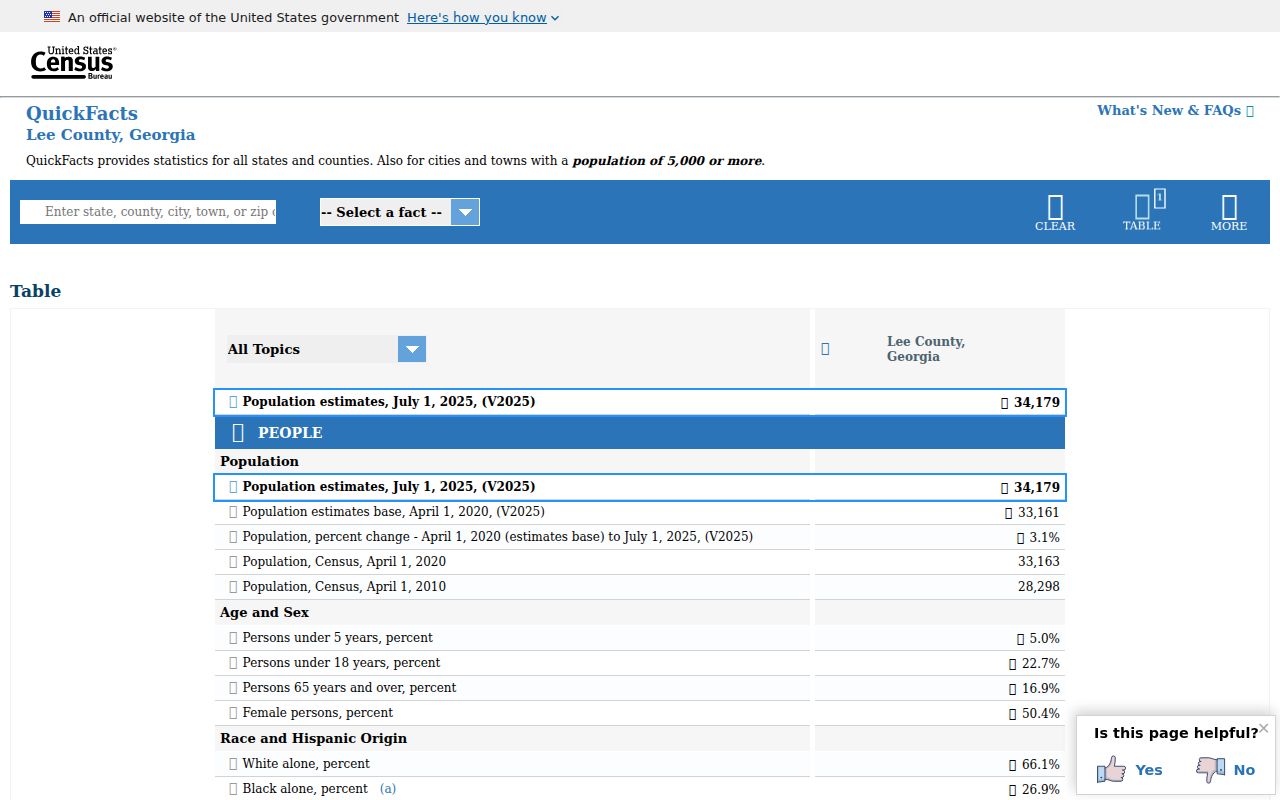
Population context helps explain why the sheriff and county courts serve many people outside Leesburg city limits. It does not change which office owns a city record.
The Leesburg Police Department
Leesburg police create incident and arrest reports for events handled by city officers. Those records can include the reported event, location, involved parties, property, officer action, and alleged offenses. Some material may be redacted or withheld due to an active investigation, juvenile rules, victim protection, or sensitive identifiers.
No current official Leesburg police records portal, form, fee schedule, or office-hours page was confirmed in the project research. Do not borrow the sheriff’s hours or assume the city uses a county form. Contact Leesburg city government or the police department and ask for the records custodian and current copy procedure. A narrow request should identify an existing report rather than ask staff to research or explain an event.
Useful details include the incident number, a tight date range, location, report type, and whether inspection, electronic copy, plain copy, or certified copy is needed. Separate the initial incident report from supplemental narratives, photographs, body-camera video, or other attachments because exemptions and reproduction work can differ.
When a Leesburg Report Is Missing
The sheriff’s Daily Report warns that incident and accident material may take as long as 72 hours to appear. That delay can explain an empty search soon after an event. It does not prove that no Leesburg police report exists. Wait through the stated lag, search the right date, and contact the originating city department.
Citizen Connect’s incident tools belong to the sheriff’s public system. Search by incident number when known. Date, name, and location searches are broader, and a name match is not fingerprint confirmation. The location mode can show calls around an address, but it is not a complete criminal history for a person or property.
Note: A recent blank search may reflect the portal’s stated delay, a city-held report, spelling, jurisdiction, or a record protected from display.
Arrests and Bookings in Leesburg
A Leesburg police arrest can lead to a separate booking at the Lee County Criminal Justice Center. The Lee County Citizen Connect portal is the county’s recent-record channel. Its arresting-agency choices include both “Leesburg - GA0880100” and “LEESBURG POLICE DEPARTMENT.” Search both labels if the interface allows because vendor categories may split the same city source.
Arrest Search uses date ranges. Inmate Confinements offers current confinements, admits by date, charges, and arresting agency. Custom admission ranges are capped at 31 days. Daily Report separates arrests from bookings, which matters: an arrest describes custody based on alleged conduct, while booking is the jail’s intake record.
The county portal can identify the agency and booking trail, but the arrest narrative remains with Leesburg police. A booking charge is not proof of guilt and may differ from the charge later filed by the prosecutor.
Leesburg Is One of Two Cities
Lee County has only two incorporated cities, Leesburg and Smithville. Unincorporated areas rely more heavily on county channels. Official city population tables are available through data.census.gov, and the captured interface below reflects that authoritative source.

Population figures should be tied to a named Census vintage. They should not be used to rank safety or turn agency crime counts into claims about a resident.
GBI annual crime statistics can provide agency-level counts when the year and reporting coverage are stated. A sound Leesburg record search uses those counts as context, not as a substitute for an incident, case, or criminal-history record.
Leesburg Municipal Court Records
Leesburg Municipal Court hears violations of city laws and ordinances within its jurisdiction, along with eligible traffic and fine-only matters. It is not the felony trial court. Contact the city court or clerk with a citation, name, or case number because no official online municipal docket was confirmed.
| Court name | Leesburg Municipal Court |
|---|---|
| Cases heard | City ordinance violations and eligible traffic or fine-only matters within municipal jurisdiction |
| Lookup channel | City court or clerk by phone or counter; no verified official online docket |
| Record contents | Citation or case number, charge, hearing history, plea, disposition, sentence, and financial obligations when public |
| Copies and fees | Ask the municipal clerk for current copy, certification, and payment rules |
A missed city court date or related warrant should be checked with the issuing municipal court. Do not assume it will appear in a county warrant list or a Superior Court search.
Leesburg Court’s Charter Limits
The official Leesburg Code of Ordinances contains the Municipal Court charter. Within governing law, it authorizes a ceiling of a $1,000 fine, up to six months of imprisonment, labor, or community service, or a combination for city-law violations. That specific local rule helps identify the court’s altitude.
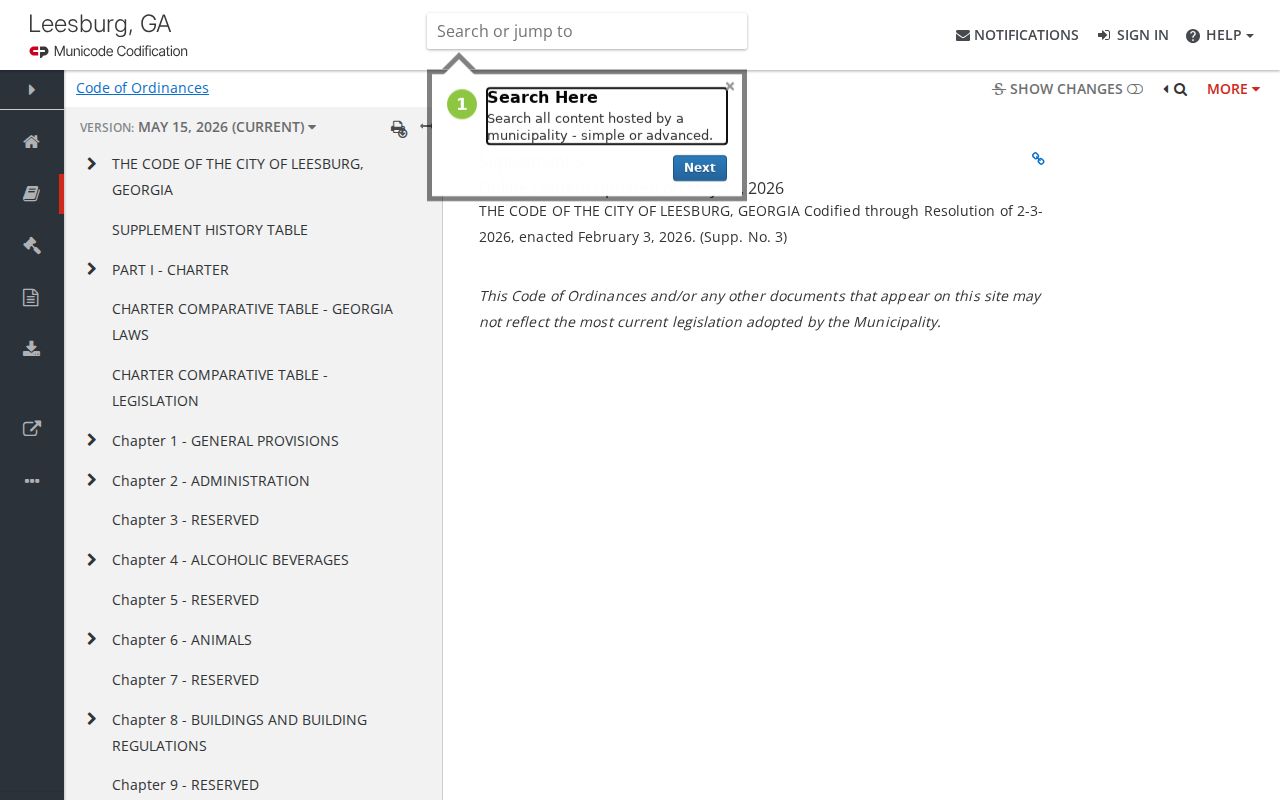
The charter does not turn the municipal court into Lee Superior Court. A city case can remain municipal, while a felony prosecution moves to the county and circuit layer.
Read a municipal disposition by count. A fine, dismissal, or other result should be taken from the court file, not inferred from the police report or jail record.
Where Leesburg Records End Up
A Leesburg event can create several records in sequence. The city officer makes the incident or arrest report. The Lee County Sheriff creates a booking if the person enters the Criminal Justice Center. The Southwestern Judicial Circuit District Attorney reviews felony allegations. Lee Superior Court then holds a filed felony case. Courts and agencies report eligible disposition data to GCIC.
Record flow: Leesburg Police Department › Lee County booking and courts › Georgia Bureau of Investigation, Georgia Crime Information Center
Timing makes the layers look inconsistent. A booking may appear before a court case exists. Prosecutors may change or decline charges. A court result can reach the clerk before GCIC updates. Compare the arrest date, agency, charge, case number, and final disposition rather than treating the newest screen as the whole Leesburg criminal history.
Leesburg Felonies Reach Superior Court
Lee Superior Court is the primary felony trial court for Leesburg. The county belongs to the Southwestern Judicial Circuit. The clerk’s file can show an accusation or indictment, docket events, motions, orders, pleas, disposition, and sentence. That record is the best source for what happened after arrest.
PeachCourt provides an account-based network for participating Georgia trial courts. Search by county, court, case number, or party name as available. Document fees may apply. If no result appears, call the Lee Superior Court clerk with the arrest date and name and ask whether a case was filed. Older, sealed, or nonindexed files may require direct clerk help.
The Georgia Superior Court Clerks’ Cooperative Authority is another official court-system resource. It is not a promise that every Leesburg criminal document is free online.
Leesburg Records Under Georgia Law
The Georgia Open Records Act presumes access to many city records unless an exemption applies. A request should go to the city custodian who holds the record. Ask for existing, segregable material and request the cited exemption if any part is denied or redacted.
The Georgia Attorney General’s open-government guidance explains the state access framework.
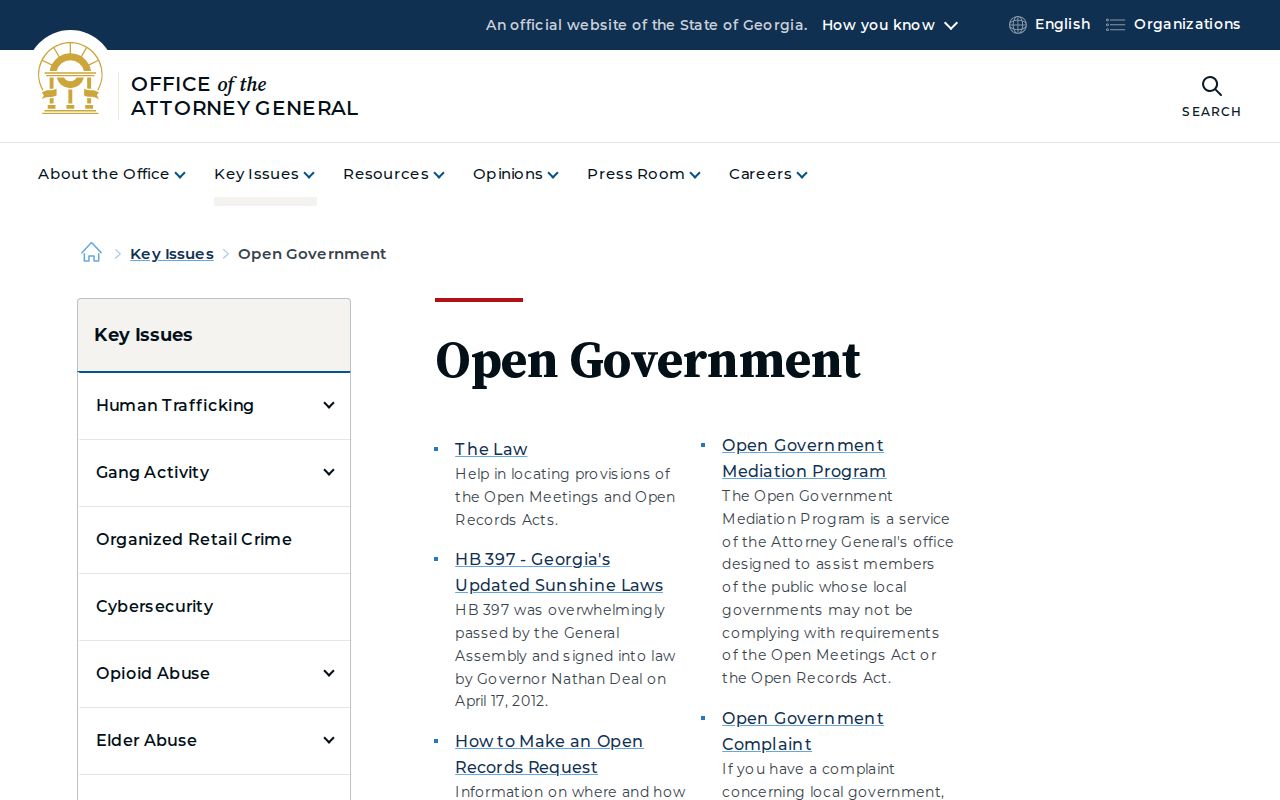
The guidance is useful for city police records, but court sealing rules and judicial access standards can separately govern a municipal or Superior Court file.
Key statutes:
O.C.G.A. §§50-18-70 through 50-18-77 presume access to public records while allowing specific exemptions and cost rules.
O.C.G.A. §35-3-34 governs public access to qualifying felony-conviction history through authorized state channels.
O.C.G.A. §35-3-37 governs record restriction and related court sealing.
Public Access Rules
Leesburg records may exclude active investigative details, juvenile material, victim information, protected identifiers, restricted criminal-history data, or sealed court filings. Redaction does not mean the whole event never occurred. Ask for the releasable portion and the legal basis for anything withheld.
The official Georgia Code host shown below is the controlling place to review current statutory text rather than relying on an old summary.
Use the current law and the actual custodian’s response for a specific Leesburg request. Portal scope, reporting delays, spelling, and restriction can all explain a missing result.
Note: An arrest, booking, accusation, and conviction are different records, so verify the court disposition before stating the outcome of a Leesburg case.